
Long Barrow Solar
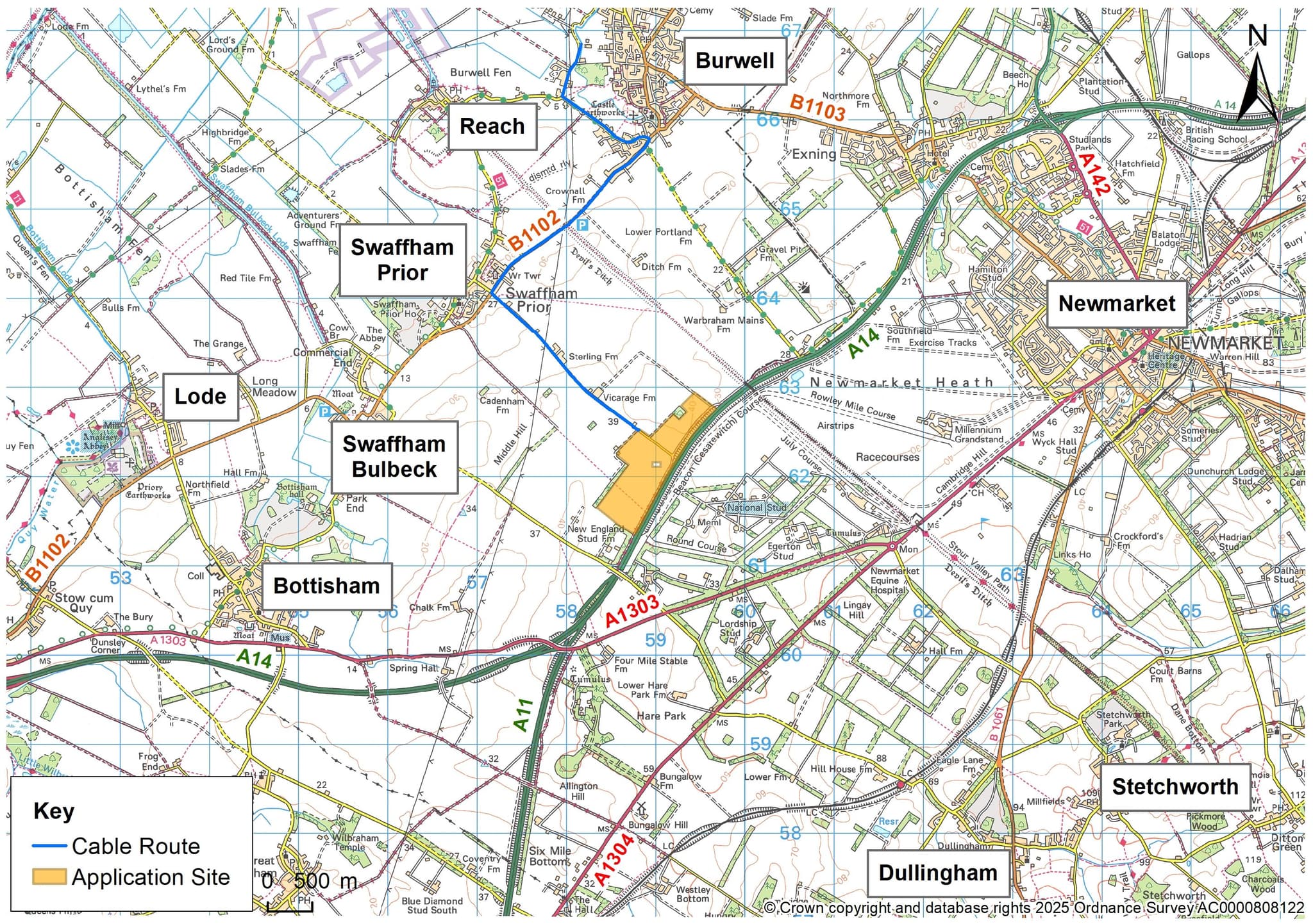
Long Barrow Solar is a proposed solar energy development located approximately 2km south-east of Swaffham Prior, adjacent to the A14 trunk road. Spanning around 73 hectares (180 acres), the project aims to generate up to 49.9 megawatts (MW) of clean, renewable electricity—enough to power thousands of homes.
The site, currently in arable agricultural use, comprises three fields positioned on either side of Heath Road, a quiet no-through road stretching from Swaffham Prior to the project location.
Developed by Low Carbon, Long Barrow Solar forms part of our mission to accelerate the UK's transition to net zero. At Low Carbon, we develop, build, own and operate large-scale renewable energy projects that contribute to a sustainable and resilient energy system. Our commitment is to protect the planet for future generations by investing in home-grown clean energy that tackles climate change head-on.
Welcome to
Long Barrow Solar
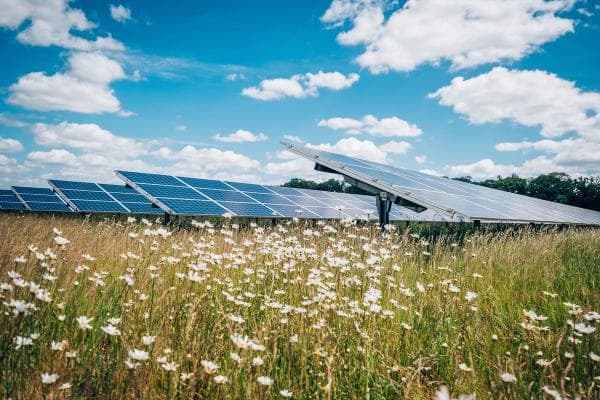
We are proposing the development of Long Barrow Solar, a solar photovoltaic (PV) project that includes the installation of solar panels and the necessary infrastructure to connect the site to the local electricity grid.
The solar farm will support the UK’s transition to a low-carbon energy system, helping to meet the country’s energy needs and contributing to the goal of net zero carbon emissions by 2050.
Long Barrow Solar is planned to operate for a period of 40 years. At the end of this period, the solar panels and associated infrastructure will be decommissioned and removed from the site. Wherever possible, components will be recycled or repurposed.
We are committed to keeping the local community informed and engaged throughout the development of this project. Your feedback is important to us and will help shape the final design. You can find more information and submit your comments via our project website.
Site Location
The site
The project is situated on land south of Swaffham Prior and extends to approximately 80 hectares (197 acres) with approximately 75 hectares (185 acres) within the Solar Development Site and approximately 5 hectares (12 arcres) within the 6.6km Cable Connection Route.
Point of connection
The Cable Connection Route extends for approximately 6.6km across agricultural land adjacent and parallel to Heath Road, with a further section within the highways along the B1102, Reach Road and Weirs Drove. The Cable Connection Route includes a buried cable connection to connect the Solar Development Site with the existing UKPN Substation.
Biodiversity
In addition to having solar panels on the site, the proposal also includes biodiversity and landscape enhancement measures.
Sheep grazing
Sheep may also be grazed underneath the solar panels once operational, thereby offering dual use for the land.
Timeline
- June 2025
Environmental Impact Assessment
- June 2025
Consultation on Long Barrow Solar
- July 2025
Submit planning application
- TBC
Application determined
Additional Information
Where We Are Now
Initial environmental surveys have been completed at the proposed Long Barrow Solar site. The project is at an early stage of development, and there is still scope for the design to be informed by community and stakeholder feedback.
Low Carbon is committed to engaging with those living and working in the area. We are currently seeking views on our initial proposals before progressing with the detailed design.
Positive impacts
Across our UK-wide portfolio of renewable energy projects, we have championed biodiversity as a critical milestone on the journey towards a low-carbon future.
Across all our solar parks we work with landowners and developers to implement comprehensive land and biodiversity management programmes. Each aligns with the conditions and circumstances unique to its site. Yet while we are pledged to protecting existing flora and fauna, most parks benefit still more from the introduction of extensive new planting and husbandry measures.
As sites mature, ongoing development will realise an increasing diversity of habitats and species: from meadows, hedgerows, wildflowers and woodland to sheep, bees, birds, bats, reptiles and invertebrates.
Biodiversity
It is important that the Long Barrow Solar site delivers a biodiversity net gain, helping to protect and enhance both existing and new habitats. By moving away from intensive monocultural land use, we aim to create a species-rich environment that allows nature to recover and thrive.
The project will include measures to support this goal through all phases of development. As part of the planning process, two key documents are typically required:
- Construction Environmental Management Plan (CEMP): Outlines how environmental impacts will be managed during the construction phase.
- Landscape and Biodiversity Management Plan (LBMP): Sets out how habitats will be created, maintained, and enhanced throughout the lifetime of the solar farm.
Together, these plans ensure that biodiversity is considered from the outset and continues to be prioritised throughout the life of the project, creating a long-term haven for wildlife.
Public Rights of Way (PRoW)
We are committed to keeping all Public Rights of Way (PRoW) open and accessible throughout the construction and operation of the solar farm.
Where possible, we aim to enhance the experience of these routes by introducing meadow or wildflower planting and establishing hedgerow buffers. These measures will help maintain the visual character of the area and screen direct views of the solar infrastructure, supporting both biodiversity and public enjoyment of the landscape.
Beehives
We actively encourage the placement of beehives within the solar farm. The secure environment and abundance of flowering plants provide ideal conditions for healthy, thriving bee colonies.
In addition to supporting local biodiversity, the bees help pollinate nearby crops and wild plants, contributing to the wider ecosystem. All hives are managed by trained local beekeepers, ensuring the health and welfare of the bees throughout the year.
Sheep
At our solar sites, Low Carbon works in partnership with local landowners to enable sheep grazing among the solar panels wherever possible.
This dual use of land is both practical and sustainable. The secure environment helps ensure the safety of the flock, while the solar panels offer natural shelter from wind, sun, and rain. Grazing also helps manage grassland growth, reducing the need for mechanical maintenance.
This approach is well-regarded by our landowners and supports continued agricultural use alongside clean energy generation.
Planting
Our solar sites are carefully designed to work with the existing landscape, preserving hedgerows, trees, and other natural features.
To further enhance biodiversity and visual screening, we introduce additional planting that includes native hedgerow species, trees, pasture-mix grasses, and wildflowers. These measures help to support local wildlife, improve habitat connectivity, and maintain the natural character of the area.
Community Benefit
As part of our investment in the solar farm, Low Carbon will contribute funds to support local community projects.
These contributions are intended to deliver lasting, positive impact—helping to fund local initiatives, enhance community spaces, or support sustainability-focused programmes. We welcome suggestions from the community on how these funds could be best used.
Key Project Documents
In this section, you will find key information about the project which you able to download and view or print at home.